
Clinical Update: Navigating the “Malaysian Cocktail” of Adhesive Capsulitis
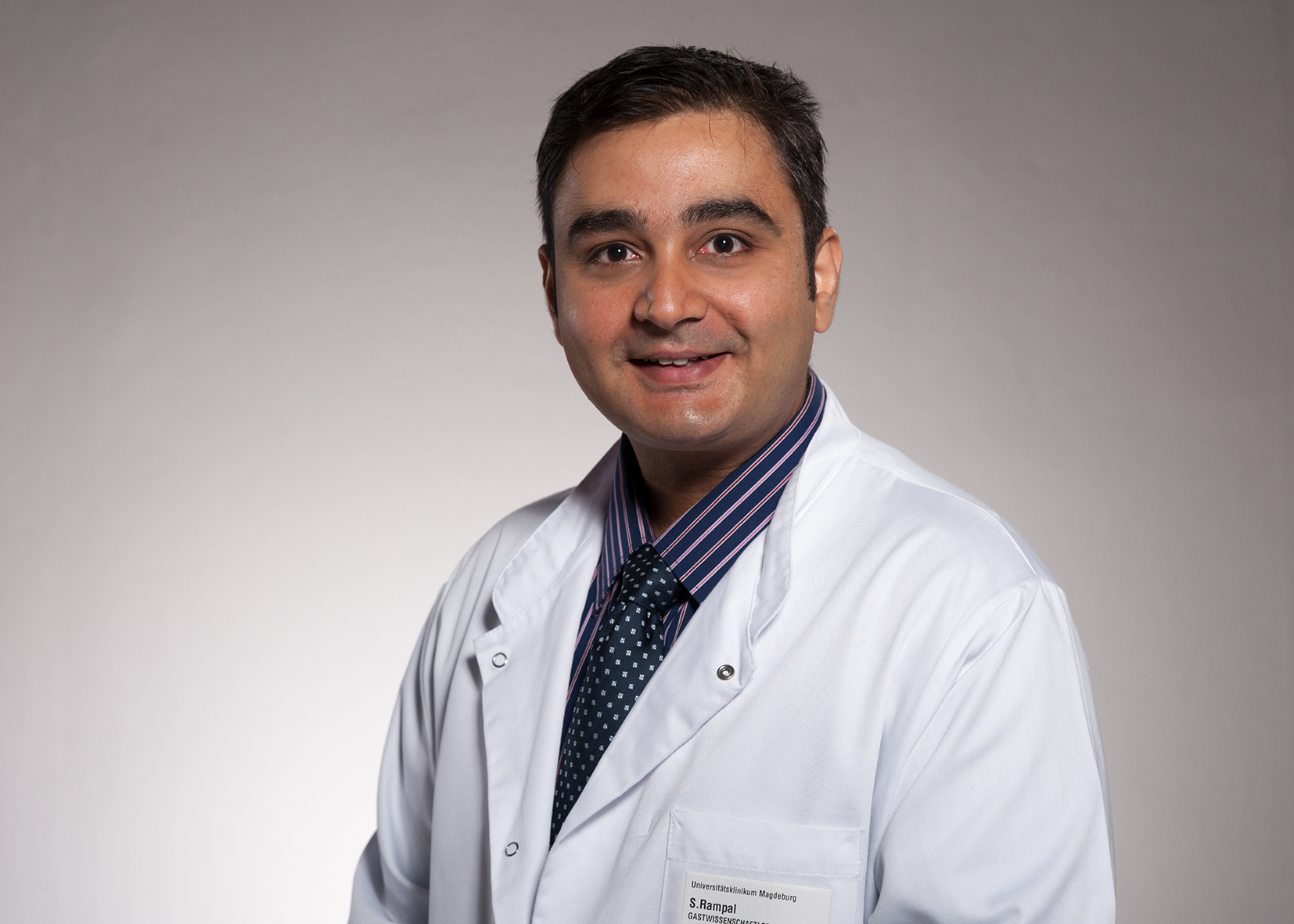
By Dr. Sanjiv Rampal, Consultant Orthopaedic Surgeon
“Prof, I can’t comb my hair with my right hand anymore.” “Dr. Sanjiv, I’m having so much trouble sleeping on my left side because my shoulder is constantly sore.” “Doc, this stiffness is getting out of control. I struggle just to put on my bra every morning.”
Adhesive capsulitis (Frozen Shoulder) is increasingly prevalent in Malaysian primary care, particularly among “Older Millennials” (late 30s-40s). This shift is driven by our high national prevalence of Diabetes Mellitus. It is also influenced by a surge in high-intensity social racquet sports like pickleball. For the GP, recognizing the “Malaysian cocktail”—metabolic risk combined with a cultural tahan (endurance) mindset—is key to preventing long-term disability.
Pathophysiology & Diagnosis
The condition involves a fibroproliferative transformation of the glenohumeral capsule. It typically follows a triphasic progression:
- Freezing: Severe nocturnal pain and progressive loss of active/passive ROM.
- Frozen: Maximum mechanical restriction (specifically external rotation); pain often plateaus.
- Thawing: Gradual remodeling and return of movement.
Key Management Updates: UK and Australia (2025-2026)
Current international guidelines (NICE UK and RACGP Australia) emphasize a patient-centered, stage-specific approach:
- “Supervised Neglect” vs. Activity: Move away from aggressive stretching in the “Freezing” phase. UK guidelines advocate for “activity within pain-free limits.”
- Early Steroid Efficacy: Both colleges highlight that Intra-articular Steroid Injections (IASI) provide the greatest benefit when administered early. This is most effective within the first 6 months to dampen synovitis.
- The “Volume” Factor: Australian updates show increasing support for Hydrodilatation. This approach is favored over simple steroid injections. It allows for faster mechanical gain in the “Frozen” phase.
- Diabetes Screening: RACGP suggests screening for undiagnosed Diabetes in any patient presenting with idiopathic bilateral or recalcitrant shoulder stiffness.
Specialist Management Modalities
The goal is to “thaw” the joint faster than the natural 24-month cycle.
- Hydrodilatation: Under ultrasound guidance, a high-volume saline bolus (20-30ml) is injected to mechanically distend the fibrotic capsule.
- Manipulation Under Anaesthesia (MUA): MUA remains a cornerstone for patients refractory to conservative measures. Under general anesthesia or deep sedation, the clinician performs controlled, sequential manipulation of the humerus to release intra-articular adhesions.
- Clinical Pearl: MUA is particularly effective in restoring external rotation and abduction. However, it must be followed by “cold-start” physiotherapy within 24 hours to prevent the reformation of adhesions.
- Arthroscopic Release: Gold standard for recalcitrant cases. Tiny incisions allow for precise thermal division of the thickened ligaments (CHL) and capsule.
When to Withhold Corticosteroids
Steroids are not always the answer. Avoid IASI in these scenarios:
- Uncontrolled Diabetes: IASI can cause dangerous blood glucose spikes for 5-7 days.
- The Thawing Phase: Late-stage stiffness is mechanical (fibrosis), not inflammatory; steroids offer no benefit here.
- Suspected Rotator Cuff Tear: Steroids may mask symptoms of a surgical tear or inhibit tendon healing.
- Pending Surgery: Avoid injections within 3 months of a planned MUA or surgery to minimize infection risk.
When to Refer to an Orthopaedic Surgeon
Referral ensures access to advanced interventions like MUA or ACR. Consult a specialist if:
- Diagnostic Uncertainty: To rule out posterior dislocation, malignancy, or massive cuff tears via MRI/US.
- Conservative Failure: No functional improvement after 6-12 weeks of structured therapy.
- Diabetic Patients: Due to their aggressive disease course, early interventional planning is often required.
- Sleep/ADL Impact: When nocturnal pain or stiffness prevents basic grooming or work.
Frozen shoulder management has moved from passive waiting to proactive intervention. By integrating metabolic management with advanced interventional techniques, we can move patients from “frozen” to “functional” with significantly higher efficiency.

Associate Professor Dr. Sanjiv Rampal is a distinguished specialist in orthopaedic surgery, with a primary focus on joint and bone health. Throughout his career, he has remained dedicated to advancing musculoskeletal care through both clinical excellence and academic leadership. Dr. Rampal is particularly recognized for his advocacy in medical education; he strongly believes that empowering General Practitioners (GPs) with the latest updates in orthopaedic management is essential for improving community health outcomes. By bridging the gap between specialized surgical knowledge and primary care, he strives to ensure that patients receive the highest standard of treatment. Driven by a commitment to social responsibility, he actively champions initiatives that provide high-quality medical information and better patient service at zero cost to the general public.
 Rampalsurgery. com
Leave a comment