
“He who has health has hope; and he who has hope has everything.”
Thomas Carlyle
“Prof, I can’t comb my hair with my right hand anymore.” “Dr. Sanjiv, I’m having so much trouble sleeping on my left side because my shoulder is constantly sore.” “Doc, this stiffness is getting out of control. I struggle just to put on my bra every morning.”
If these stories sound familiar, you are not alone. You might feel a sharp, nagging pain when reaching for your seatbelt. You may also find that putting on a shirt has become a feat of gymnastics. If so, you are likely experiencing a condition that is rapidly on the rise in Malaysia.
In my practice, shoulder issues are now among the top ten orthopaedic complaints. Specifically, we are seeing a surge in Adhesive Capsulitis—more commonly known as “Frozen Shoulder.”
This condition traditionally affected people in their 50s and 60s. However, we are now seeing a trend among “Older Millennial’s” (those in their late 30s and 40s). This shift is driven by a unique “Malaysian cocktail.” It includes our newfound love for social racquet sports like pickleball and padel. It is also influenced by our high national rates of diabetes. Additionally, there is a cultural tendency to tahan (endure) pain until it becomes unbearable.
The good news? Your shoulder isn’t permanently broken. With the right approach, it can—and will—thaw.
What Exactly is “Frozen Shoulder”?
Imagine your shoulder joint is a ball and socket encased in a protective sleeve called a capsule. In a healthy shoulder, this sleeve is loose and stretchy, allowing you to smash a shuttlecock or reach for the top shelf.
In a “Frozen Shoulder,” this capsule becomes inflamed and thickened. It develops scar-like tissue that acts like internal glue (hence the term “adhesive”). As the capsule tightens, the lubricating fluid in the joint decreases. Suddenly, the joint has no room to move. It’s like trying to open a door with rusted, gunked-up hinges.
Why is it Happening to Us?
In Malaysia, three main factors are driving this “freeze”:
1. The Metabolic Link (Diabetes)
Malaysia has some of the highest rates of diabetes in Southeast Asia. There is a direct link between high blood sugar and shoulder stiffness. Excess sugar molecules can attach to the collagen in your shoulder capsule, making it “sticky” and prone to thickening. If you have diabetes, your risk of a frozen shoulder is significantly higher, and recovery can be more stubborn.
2. The Social Sports Boom
We are seeing a wonderful revival in social sports. Pickleball and padel are fantastic for heart health. Many older millennials have been sedentary for years. They are now jumping into high-intensity overhead movements. This can cause “micro-traumas.” When ignored, the body sometimes overreacts by “shutting down” the joint through inflammation.
3. The “Tahan” Culture & Alternative Treatments
Many Malaysians treat sports injuries lightly. We often opt for a quick massage. Sometimes, we visit a Tit Tar (TCM) expert. Other times, we take a “wait and see” approach. While traditional methods have their place in wellness, delay in medical diagnosis can be risky. A shoulder kept still because of minor pain is the perfect candidate for freezing. Remember: Movement is medicine; immobility is the enemy.
The Three Stages of “The Freeze”
Without treatment, a frozen shoulder typically follows a predictable timeline that can last 6 to 24 months:
- The Freezing Stage (Painful): This is the most frustrating part. Pain starts slowly and worsens, especially at night, as you gradually lose your range of motion.
- The Frozen Stage (Stiff): The sharp pain may actually decrease, but the stiffness is at its peak. Reaching behind your back becomes nearly impossible.
- The Thawing Stage: The “ice” begins to melt. The shoulder loosens up, and your strength and movement slowly return.
Modern Treatment: Minimal Intervention, Maximum Recovery
The goal of modern orthopaedic care is no longer “no pain, no gain.” We want to restore your quality of life using the least invasive methods possible.
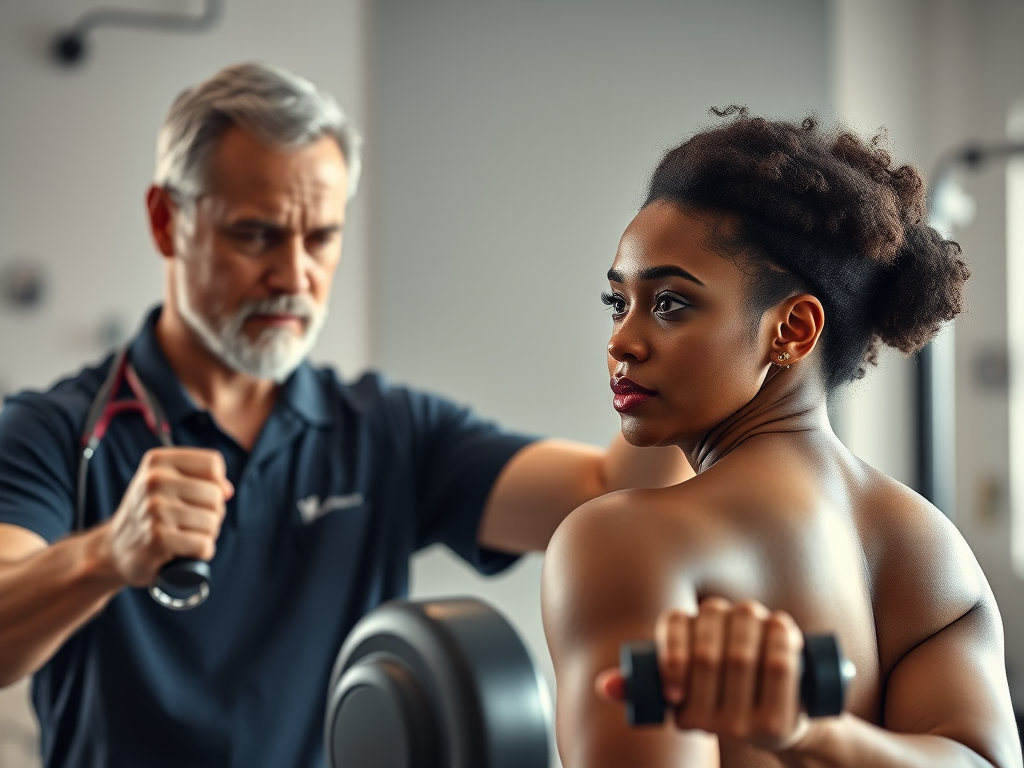
- Physiotherapy is King: A targeted, gentle stretching program is the gold standard. We focus on “passive” stretching, where the joint is moved carefully to regain space.
- Pain Management: Modern anti-inflammatories help break the cycle of pain so you can actually perform your recovery exercises.
- Hydrodilatation: A highly effective, minimally invasive procedure where we inject a sterile solution into the joint under ultrasound guidance. This gently “stretches” the capsule from the inside out.
- Manipulation Under Anaesthesia (MUA): This is a safe option that can be done during the day. Under mild sedation, a doctor gently moves the shoulder to free it up. Patients often see a drastic improvement in movement immediately afterward.
- Keyhole Surgery (Arthroscopy): In rare, stubborn cases, we make tiny incisions. We use a camera to release the tight bands of tissue. Thanks to Malaysia’s world-class facilities, this is usually a quick, daycare procedure.
When Should You See a Specialist?
Don’t wait until you can’t lift your arm at all. Consult a specialist if:
- Pain is waking you up at night or affecting your sleep quality.
- You cannot reach your back pocket or struggle with daily dressing.
- Over-the-counter painkillers provide no relief after two weeks.
- You feel a sudden “clunking” or “locking” sensation in the joint.
A Positive Path Forward
The story of a frozen shoulder used to be one of long-term disability, but today, the outlook is incredibly positive. We now know that early detection and minimal medical intervention lead to excellent outcomes.
You do not have to live a “stiff” life. By managing your metabolic health, you can ensure your joints stay as young as your spirit. Warm up properly for your weekend matches. Seek professional advice early. Your shoulder was designed to move—let’s keep it that way!
About the Author
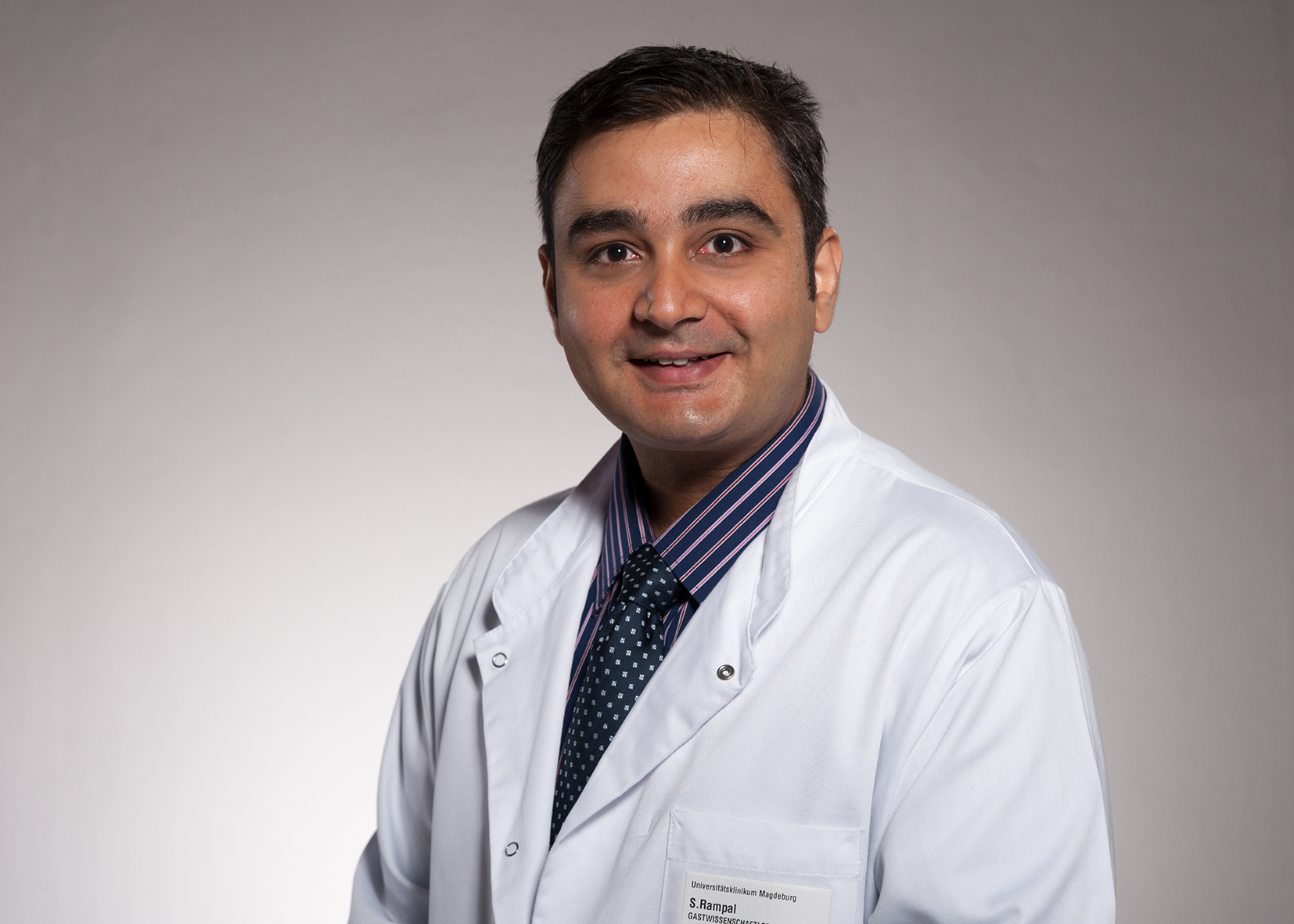
Assoc. Prof. Dr. Sanjiv Rampal is a Consultant Orthopaedic Surgeon specializing in joint and bone health. With extensive experience in managing complex musculoskeletal conditions, he is a strong advocate for public health education. Dr. Sanjiv believes in empowering the general public by providing the latest scientifically backed joint health information at zero cost. Everyone should have the knowledge to maintain a high quality of life. People should ensure optimal joint health.
 Rampalsurgery. com
Leave a comment